
Navigating IRCC Translation Requirements | What You Need and How A2Z Language Hub Can Help
Navigating IRCC Translation Requirements | What You Need and How A2Z Language Hub Can Help
Written by A2Z Language Hub (www.a2zlanguagehub.com)
If you're applying for immigration, citizenship, or even a passport through Immigration, Refugees and Citizenship Canada (IRCC), ensuring your documents are properly translated is a critical step. Non-English or non-French documents can lead to delays or rejections if not handled correctly. In this blog, we'll break down the essentials of IRCC translations, including what a certified translation is, why it's required, the different types, industry costs, and the differences between certified and notarized translations. We'll also explore how A2Z Language Hub, a trusted provider of professional translation services, can support you throughout the process.
When to Provide Translations?
When your original documents are in any language other than English or French, you must provide:
- The original document or a certified true copy
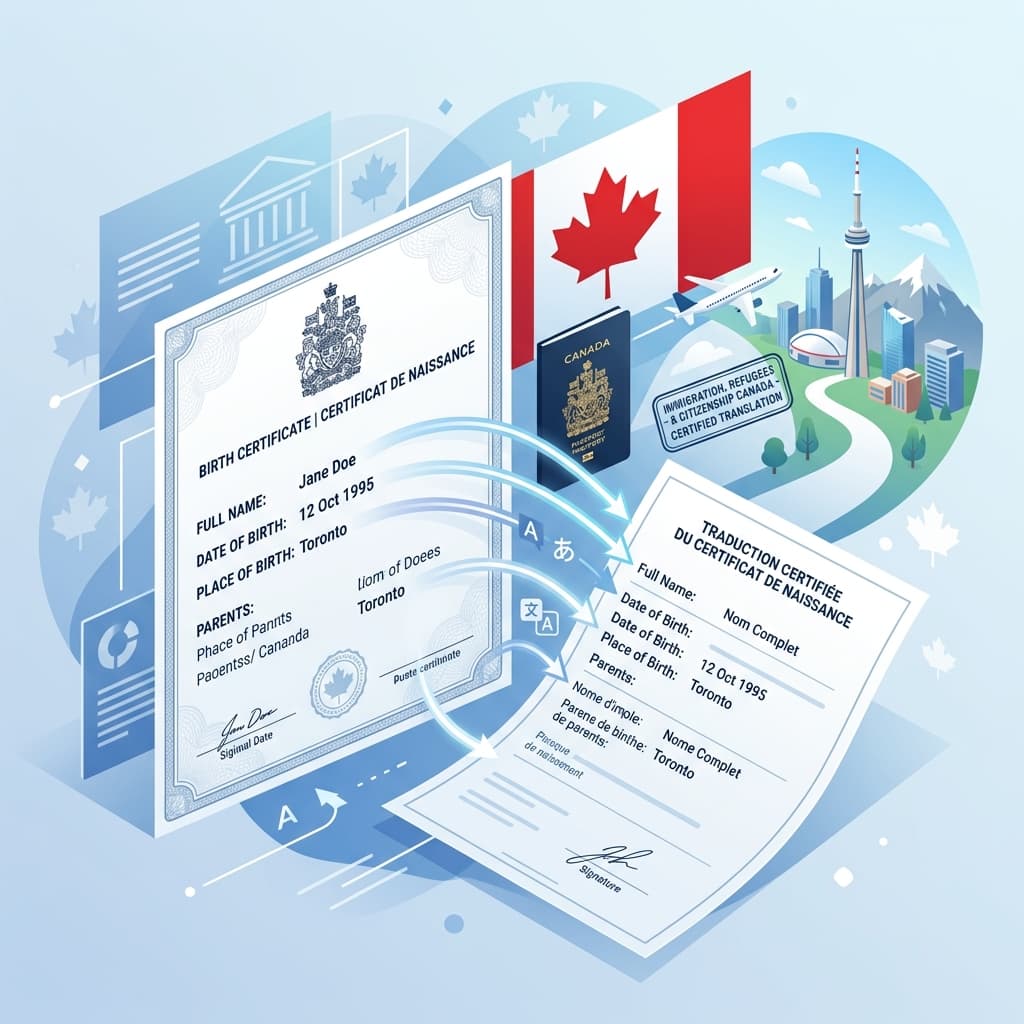
- A certified translation that mirrors the source document word-for-word
- Both documents submitted together to IRCC
What Makes a Translation Officially Certified?
A certified translation for IRCC applications comes with specific requirements that make it legally valid and acceptable to immigration authorities. The certification process involves a qualified translator providing a written statement that confirms the translation is complete and accurate to the best of their knowledge and ability.
IRCC accepts translations that are certified by members in good standing of a provincial or territorial association of translators and interpreters in Canada. Alternatively, translations can be certified by someone who is competent in both languages and is not the applicant, a family member, or their representative.
II. Who Can Translate Your Documents?
A certified translator Canada designation carries specific requirements under IRCC standards. The translator must hold certification from a recognized professional body, demonstrating their competence and adherence to industry standards.
Professional translators who can provide certified translations for IRCC must meet specific credential requirements. The most recognized qualification is membership in a provincial or territorial association of translators and interpreters, such as the Association of Translators and Interpreters of Ontario (ATIO) or the Society of Translators and Interpreters of British Columbia (STIBC).
III. What Are the Different Types of Certified Translations?
While "certified translation" is a broad term, variations depend on the translator's credentials and the document's nature. Based on IRCC guidelines, particularly for passport applications, translations can be categorized by the translator type:
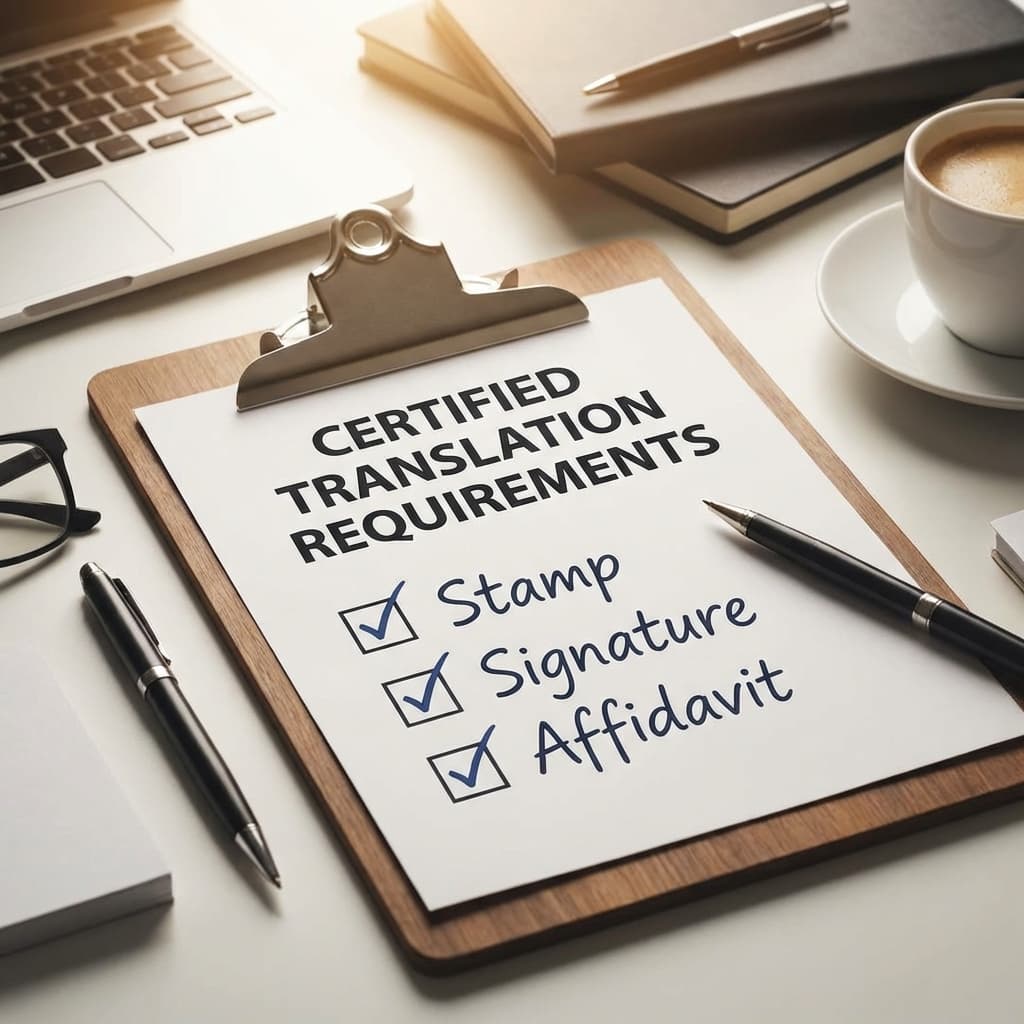
- Certified Professional Translations: Performed by members of recognized translation associations (e.g., provincial bodies in Canada or equivalent abroad). These include a certification stamp, translator details, and often a statutory declaration.
- Non-Certified Professional Translations: Done by professional translators without formal certification but still requiring an affidavit or declaration to affirm accuracy.
- Third-Party Translations: Allowed only for non-legal or non-court documents, performed by unrelated individuals (not family or the applicant), and must include a notarized statutory declaration.
IV. Going Through the Checklist
Before you submit your documents, confirm:
For Certified Translation
- Translator is provincially certified (STIBC, ATIO, OTTIAQ, etc.)
- Translation includes translator’s certification statement and stamp
- No affidavit needed (unless translator is not certified)
- You or your family did not translate your own documents
- Original and translation combined into a single PDF per document for online submission
For Notarized Translation
- Translator signed a declaration or affidavit of accuracy with the translated file
- Notary public verified the translator’s identity and signature
- Required only if the institution specifically asks for notarization
Partner with A2Z Language Hub
At A2Z Language Hub, we specialize in IRCC-compliant translations to make your application process seamless. Our team of certified translators handles everything from birth certificates to complex legal documents, ensuring accuracy and quick turnaround. We offer:
- Certified translations starting at competitive rates, with options for affidavits or notarization as needed.
- Expertise in over 80 languages, tailored to IRCC requirements.
- Free consultations and quotes to assess your documents.
- 100% acceptance guarantee, backed by our accreditation with professional associations.
Get in Touch with A2Z Language Hub
👉 Contact us today to get a free quote:
📧 Email: info@a2zlanguagehub.com
🌐 Website: www.a2zlanguagehub.com
📱 Follow us on: LinkedIn | Facebook